Hibiscus juice is a beverage made from the petals of the hibiscus plant, scientifically known as Hibiscus sabdariffa. It is prepared by steeping the dried or fresh petals of the hibiscus flower in hot water and then straining the liquid. Often, sweeteners such as sugar or honey are added to balance the tart flavor of the juice.
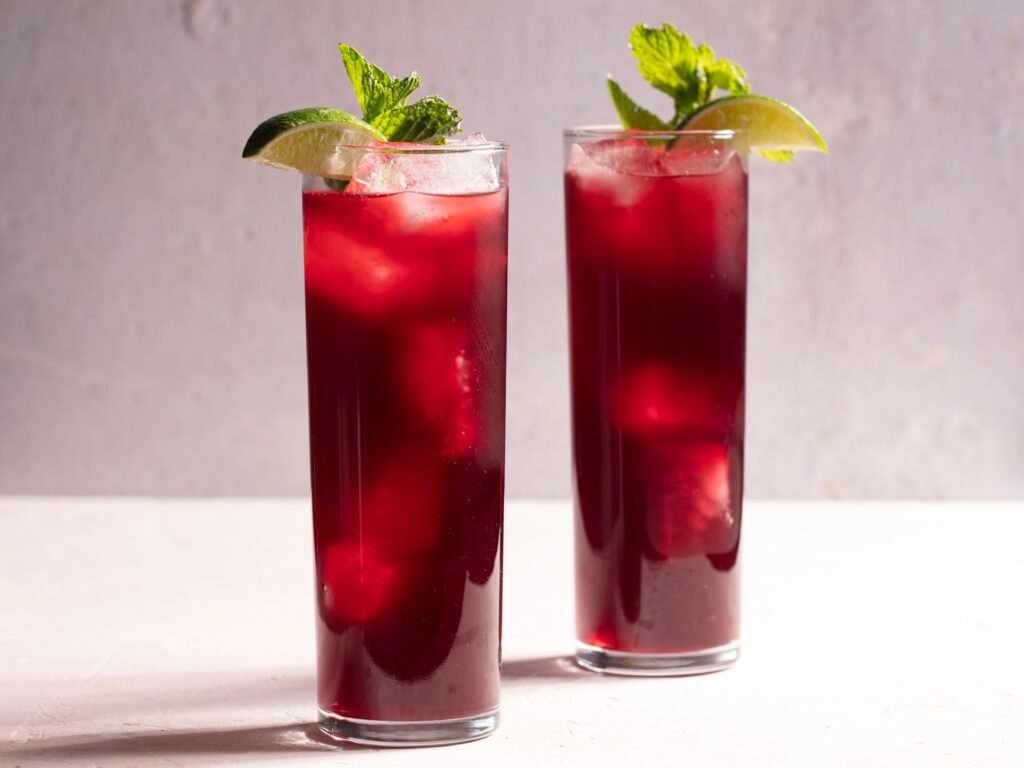
Here are some key points about hibiscus juice:
- Taste: Hibiscus juice has a tangy and slightly tart flavor profile, reminiscent of cranberry juice. It can be enjoyed both hot and cold and is often sweetened to taste.
- Color: The juice typically has a vibrant red or deep pink color, which adds to its visual appeal.
- Cultural Significance: Hibiscus is widely consumed in various cultures around the world, where it is known by different names. For example, in Mexico, it’s called “agua de Jamaica,” and in the Caribbean, it’s known as “sorrel.” It’s also popular in parts of Africa, Asia, and the Middle East.
- Nutritional Content: Hibiscus juice is rich in vitamin C, antioxidants, and various minerals. It is low in calories and contains no caffeine.
Benefits of
- Rich in Antioxidants: Hibiscus juice contains high levels of antioxidants, such as flavonoids, polyphenols, and anthocyanins, which help to combat oxidative stress and reduce the risk of chronic diseases.
- Lowers Blood Pressure: Studies suggest that hibiscus juice may have antihypertensive properties, helping to lower blood pressure levels. This effect is attributed to the presence of phytochemicals that act as natural ACE inhibitors, similar to some blood pressure medications.
- Heart Health: Consuming hibiscus juice may contribute to heart health by reducing cholesterol levels and triglycerides. It also helps to improve overall circulation and may lower the risk of cardiovascular diseases.
- Weight Management: Some research indicates that hibiscus extract may aid in weight management by inhibiting the accumulation of fat and reducing the absorption of carbohydrates. However, more studies are needed to confirm these effects in humans.
- Boosts Liver Health: Hibiscus juice has been found to have hepatoprotective properties, meaning it can help protect the liver from damage caused by toxins and oxidative stress. Regular consumption may support liver function and promote detoxification.
- Supports Digestive Health: Hibiscus juice acts as a mild laxative and diuretic, promoting bowel movements and helping to alleviate constipation. It also aids in digestion and may relieve symptoms of indigestion and gastrointestinal discomfort.
- Rich in Vitamins and Minerals: Hibiscus juice is a good source of vitamin C, iron, and other essential nutrients, which support immune function, energy production, and overall health.
- Hydration: Like other fruit juices, hibiscus juice can contribute to hydration, helping to maintain fluid balance in the body.
- Anti-Inflammatory Properties: Some studies suggest that hibiscus extract possesses anti-inflammatory properties, which may help alleviate symptoms of inflammatory conditions such as arthritis and promote overall well-being.
- Refreshing Beverage: Aside from its health benefits, hibiscus juice is a refreshing and flavorful beverage option, particularly when served cold with ice and a hint of sweetener.
While hibiscus juice offers numerous potential health benefits, it’s essential to consume it in moderation as part of a balanced diet. Additionally, individuals with certain medical conditions or those taking medications should consult with a healthcare professional before incorporating hibiscus juice into their diet, as it may interact with some medications or exacerbate certain health issues.
🛒To order from us : Call/WhatsApp 0722 788 667